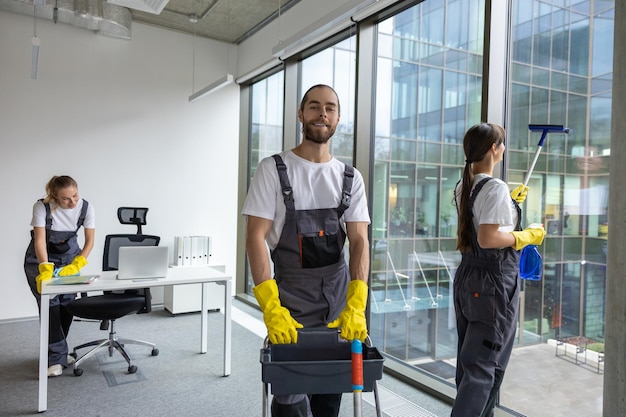
The Liwanag Resilience Method
A cleaning system developed specifically for Philippine business reality—where climate, culture, and operations shape every protocol we implement.
Return HomeBuilt on Understanding, Not Assumptions
Our methodology emerged from recognizing that cleaning approaches designed for temperate climates don't translate directly to Philippine conditions.
Environmental Realism
We embrace Philippine weather patterns rather than fighting them. Monsoon rains, tropical humidity, and typhoon seasons aren't obstacles to overcome but conditions to work with intelligently.
Operational Sensitivity
Philippine businesses operate on diverse schedules—24/7 BPO centers, shift-based manufacturing, international timezone alignment. Our protocols adapt to these rhythms instead of imposing rigid schedules.
Cultural Integration
Filipino work culture values relationships and flexibility. Our teams build genuine partnerships with facility staff, creating collaboration rather than service provision alone.
Resilience Planning
Infrastructure challenges and weather events are predictable parts of Philippine operations. We build preparedness and rapid response into standard protocols rather than treating them as exceptions.
Why This Matters
Traditional facility management training often comes from Western contexts where humidity stays manageable, seasons change predictably, and infrastructure operates consistently. These assumptions create gaps when applied directly to Philippine environments.
We developed our methodology by working within these conditions for years, learning what actually works versus what should work in theory. Every protocol reflects practical experience with Philippine weather, business culture, and operational reality.
How the Method Works
Our approach follows a structured framework that adapts to each facility's unique situation while maintaining core principles.
Environmental Assessment
We begin by understanding your facility's specific challenges. This includes climate exposure patterns, operational schedules, compliance requirements, and current pain points. We're not looking for what's wrong but rather what conditions our protocols need to address.
- Weather exposure mapping and seasonal patterns
- Operational flow analysis and shift schedules
- Industry-specific standards and compliance needs
Protocol Customization
Using our assessment, we create facility-specific protocols. These aren't generic checklists but tailored approaches that account for your environment, operations, and goals. Each protocol includes seasonal variations and contingency plans.
- Climate-responsive cleaning schedules and methods
- Operational integration minimizing disruption
- Emergency response procedures and preparation steps
Team Preparation
Our teams receive training specific to your facility before starting work. This includes understanding your operations, learning custom protocols, and building familiarity with your space. We invest time upfront to create long-term consistency.
- Facility-specific training and orientation
- Introduction to your operational staff and culture
- Quality standards demonstration and practice
Implementation & Adaptation
We begin service while remaining attentive to what works and what needs adjustment. The first months involve active refinement as we learn your facility's unique rhythm and respond to seasonal changes.
- Regular check-ins and feedback integration
- Protocol adjustments based on real experience
- Seasonal transitions and weather response testing
Continuous Excellence
Once protocols mature, we maintain standards through quality verification, ongoing communication, and continuous small improvements. The partnership becomes a stable foundation you can rely on.
- Systematic quality inspections and verification
- Proactive communication and issue resolution
- Adaptation to facility changes and new needs
Grounded in Professional Standards
Our approach integrates established facility management principles with local environmental knowledge.
Industry Standards Compliance
We maintain alignment with international facility management standards including IFMA protocols and ISO environmental guidelines. These provide the structural foundation our methods build upon.
Philippine regulations, PEZA requirements, and international corporate standards all inform our baseline protocols.
Environmental Science Integration
We apply understanding of tropical climate impacts on cleaning—humidity effects on surface treatment, microbial growth patterns, material degradation in monsoon conditions.
Product selection and technique adaptation reflect Philippine environmental conditions rather than temperate assumptions.
Safety Protocols
All teams maintain current safety certifications. Chemical handling, equipment operation, and emergency response procedures meet both Philippine workplace safety standards and international best practices.
Regular training updates ensure protocol awareness and proper implementation across all team members.
Quality Verification Systems
We implement documented inspection processes and tracking systems that create accountability. Standards aren't aspirational but measured and verified systematically.
Documentation supports both continuous improvement and audit requirements for regulated facilities.
Professional Development Investment
Our team members receive ongoing training in both technical skills and local adaptation. This includes climate-responsive cleaning techniques, industry-specific requirements, and emergency preparedness protocols.
We're members of the Philippine Association of Facility Managers and maintain professional certifications that demonstrate commitment to evolving with industry knowledge while staying grounded in Philippine operational reality.
Understanding Common Limitations
Traditional cleaning approaches often struggle in Philippine business environments not because they're poorly designed but because they're designed for different conditions. Understanding these gaps helps explain why our methodology takes a different path.
Climate Assumptions
Many standard protocols assume moderate humidity and predictable seasonal patterns. When applied to Philippine tropical conditions, these methods may address visible cleanliness while missing humidity-related challenges that create long-term issues.
Rigid Scheduling
Conventional cleaning services often work fixed schedules designed for 9-to-5 operations. This creates friction with Philippine business reality where BPO centers run continuously, manufacturing operates multiple shifts, and international time zones drive unusual hours.
Emergency Unpreparedness
Standard service agreements may treat typhoons and flooding as exceptional circumstances requiring separate contracts. In the Philippines, these events occur with enough regularity that treating them as exceptions creates gaps in protection.
Generic Training
When cleaning teams receive only general training without facility-specific preparation, they depend on supervisors to fill knowledge gaps. This creates inconsistency and slows the development of efficient workflows.
How Our Approach Addresses These Gaps
Instead of adapting temperate-climate methods, we built our protocols from Philippine conditions upward. Climate responsiveness isn't an addition but a foundation. Operational flexibility replaces rigid schedules. Emergency preparedness integrates into standard service. Facility-specific training creates knowledgeable teams from day one.
The result isn't just different methods but a fundamentally different relationship between cleaning service and facility operations—one designed for the environment where it actually functions.
What Makes the Liwanag Method Distinctive
Weather-Responsive Protocols
Our cleaning intensity and methods shift automatically with weather patterns. Monsoon periods trigger enhanced moisture management. Dry seasons adjust for increased dust. This responsiveness is built into standard operations rather than requiring special requests.
Operational Integration
We study your workflow before creating schedules, ensuring our presence complements rather than disrupts operations. For 24/7 facilities, this means shift-adapted teams. For client-facing spaces, it means invisible service during business hours.
Documented Customization
Every facility receives written protocols specific to their space. This documentation ensures consistency when team members change and provides clear standards for quality verification. Knowledge stays institutional rather than individual.
Preparedness Culture
Emergency response isn't a separate service but an integrated capability. Our teams maintain readiness year-round, with pre-positioned equipment and established protocols that activate when needed without negotiation delays.
Team Continuity
We invest in stable employment relationships with fair compensation and professional development. Low turnover means your facility benefits from teams who accumulate knowledge about your space rather than constantly restarting relationships.
Systematic Quality
Quality emerges from systems rather than hoping individual workers perform well. Regular inspections, documented standards, and structured feedback create accountability that maintains excellence regardless of circumstances.
Continuous Improvement Mindset
Our methodology isn't fixed but evolving. We learn from each facility partnership, each seasonal cycle, and each challenge encountered. Improvements from one facility often benefit others facing similar situations.
This creates a compound learning effect where our collective experience across diverse Philippine business environments continuously refines the approach we bring to new partnerships.
How We Track Progress
Results matter, but only when measured appropriately for your facility's specific goals and circumstances.
Baseline Establishment
During the first weeks, we document current conditions and establish metrics relevant to your facility. This creates the foundation for measuring improvement over time.
Regular Verification
Supervisors conduct systematic inspections using documented standards. This creates objective assessment rather than subjective judgment.
Success Indicators
What "good" looks like varies by facility type and goals. We tailor success measures to your specific situation.
- • Zero disruption complaints from operations
- • Consistent standards across all shifts
- • Employee wellness survey improvements
- • Audit readiness maintained continuously
- • Compliance documentation current
- • International visitor feedback positive
- • Weather transitions handled smoothly
- • Facility manager satisfaction stable
- • Emergency response times met
- • Equipment lifespan extension
- • Maintenance cost predictability
- • Partnership continuity indicators
Methodology Developed Through Philippine Experience
The Liwanag Resilience Method represents eight years of learning what actually works in Philippine business environments. We didn't import this approach from elsewhere and adapt it—we built it from the ground up based on Manila humidity, typhoon seasons, 24/7 BPO operations, PEZA compliance requirements, and the operational reality of businesses serving international markets from Philippine locations.
This methodology combines professional facility management standards with climate-responsive techniques, operational flexibility, and emergency preparedness. Each component addresses specific challenges that Philippine businesses face: weather variability that standard cleaning schedules can't accommodate, operational hours that don't fit conventional service models, compliance requirements that demand both local and international standard adherence, and infrastructure realities that require creative problem-solving.
Our approach prioritizes systematic implementation over individual heroics. Quality emerges from documented protocols, structured training, regular verification, and continuous improvement rather than hoping talented individuals perform well. This creates stability that survives personnel changes, seasonal transitions, and unexpected challenges.
The method continues evolving as we learn from each facility partnership and each unique situation encountered. What worked in a Makati corporate office informs approaches for BGC call centers. Lessons from PEZA manufacturing facilities enhance protocols for shared services operations. This collective experience across Philippine business diversity creates an increasingly refined methodology that new partners benefit from immediately.
Experience the Liwanag Method
Let's discuss how our climate-adaptive approach might serve your facility's unique operational environment.
Start a Conversation